
Understanding Luck in Casino Games
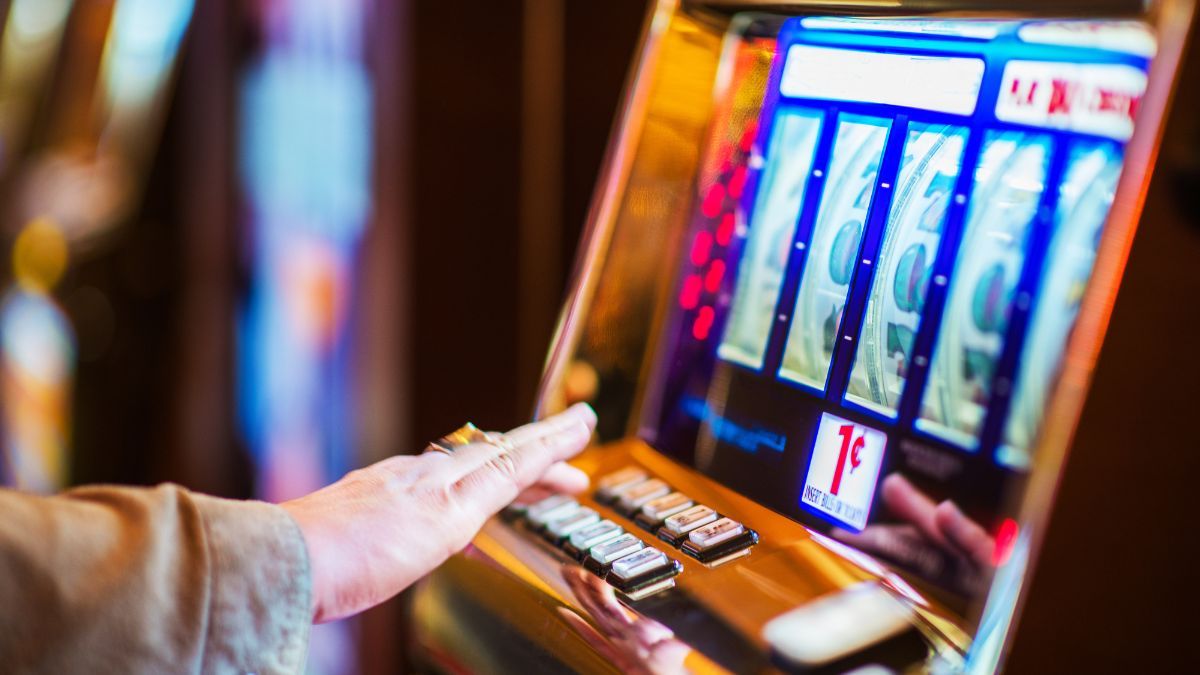
Luck is often seen as the primary factor in many casino games, particularly those that rely on chance rather than strategy. Games such as slot machines, roulette, and dice throws are predominantly luck-based. Players have no control over the outcome, and the results are purely random. This randomness can be appealing, as it offers a thrill that comes with uncertainty; however, it also means that players can experience significant losses without understanding how or why. In a game like roulette, for instance, a player can stake a substantial amount on various betting sites and lose it all in a matter of seconds, showcasing how luck can dominate the outcome.
Moreover, the concept of luck is deeply embedded in the culture of gambling. Many players believe that luck can be influenced by rituals or superstitions, such as carrying a lucky charm or performing certain actions before making a bet. While these practices can enhance the playing experience and make it feel more enjoyable, they have no real impact on the actual odds. In effect, luck remains an unpredictable component, adding excitement but also risk to every game undertaken in a casino environment.
Additionally, the casino’s inherent house edge reflects the role of luck. Casinos are designed to profit over time, meaning that even if a player experiences a lucky streak in the short term, statistically, the odds are structured to favor the house in the long run. Understanding this concept is crucial for players. It highlights the necessity of balance between recognizing luck and employing a strategic approach when engaging in games of chance to mitigate the risks involved with high-stakes gambling.
The Importance of Skill in Strategic Games
In contrast to pure luck, skill plays a vital role in various casino games that require strategic thinking and informed decision-making. Games like poker, blackjack, and baccarat involve a degree of skill that can significantly influence the outcome. Players who understand the probabilities, tactics, and psychological aspects of these games can gain a substantial advantage over less experienced opponents. For example, in poker, a skilled player can read their opponents, bluff effectively, and calculate odds, making it possible to win consistently over time despite the element of chance.
Skill-based games also allow for the development of strategies that can minimize losses and maximize gains. In blackjack, for instance, understanding when to hit, stand, or double down can greatly impact a player’s success rate. Many players utilize established strategies such as card counting to improve their odds, showcasing the importance of knowledge and practice. This reliance on skill contrasts sharply with luck-based games, highlighting a player’s ability to navigate the complexities that arise within these strategic environments.
The differentiation between skill and luck underscores the diverse nature of casino games. While luck can take a player far, particularly in short-term scenarios, it is the strategic application of skill that often determines long-term success. Players who invest time in learning and mastering the skills associated with certain games cultivate an understanding of how to manage their bankrolls effectively and develop a deeper appreciation for the game. This ultimately fosters a richer, more rewarding experience in the casino setting, showing that skill should not be underestimated.
The Psychological Impact of Luck and Skill
The interplay between luck and skill not only affects results but also influences the psychological state of players. Those who view their success as a function of luck may approach gambling with a carefree attitude, often experiencing highs and lows more intensely. This reliance on random outcomes can lead to erratic betting patterns, with players chasing losses in hope of that next stroke of luck. On the flip side, skilled players often exhibit a more methodical approach, rooted in strategy and analysis, leading to a more disciplined gambling experience.
This psychological facet of gambling highlights the importance of mindset. For players focused on skill, the emphasis is on continuous learning and improvement, which can foster patience and resilience. Such an approach often results in a sense of control, as they are more invested in understanding the nuances of the game. Conversely, players who attribute their outcomes solely to luck may not reflect on their decisions and strategies, potentially leading to repeated mistakes and increased frustration.
This psychological tension can also impact player behavior within a casino. When lucky, players may feel invincible, prompting them to take greater risks and wager larger sums. Conversely, during losing streaks, the influence of luck—or the lack thereof—can lead to despair and diminished performance. Creating a balance in how players perceive luck versus skill is essential for a healthier approach to gambling and can ultimately lead to more satisfying gameplay experiences over time.
Finding a Balance: Luck and Skill Together
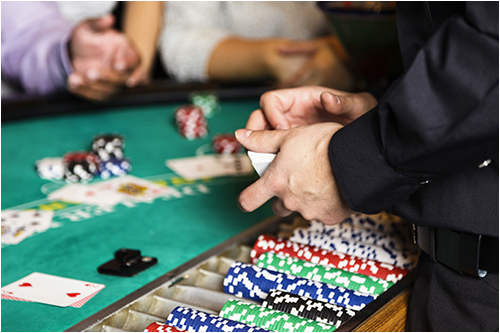
In the world of casino gaming, finding a balance between luck and skill is crucial for long-term success. While games of pure chance may dominate the landscape, many opportunities exist for players to leverage their skills to turn the odds in their favor. Understanding when to rely on strategic thinking versus accepting the whims of chance can create a more fulfilling gambling experience. For example, in poker, while the draw of the cards is lucky, the skill of bluffing and reading opponents can make all the difference in a player’s overall success rate.
Moreover, balancing these two components encourages a more responsible gambling approach. Players who acknowledge the role of luck in their experiences are less likely to develop unrealistic expectations. Accepting that not every play will be a winning one can help manage excitement and disappointment, leading to more thoughtful betting patterns. Combining skill with the realization that luck plays a part can result in a well-rounded gaming strategy that enhances both enjoyment and sustainability in the casino environment.
The ideal approach involves recognizing the strengths and weaknesses inherent in both luck and skill. By understanding the role each plays, players can remain grounded during highs and lows, developing effective strategies to navigate the unpredictable world of gambling. This balanced perspective fosters a more disciplined mindset, allowing players to enjoy their experiences without succumbing to the pressures and pitfalls that often accompany excessive reliance on one aspect over the other.
Conclusion: The website for your gaming needs
In conclusion, the role of luck versus skill in casino success is a complex interplay that can shape a player’s experience significantly. Different games require varying degrees of both elements, and understanding this dynamic is vital for anyone looking to thrive in a casino environment. Players should not shy away from the uncertainty presented by luck while also appreciating the importance of honing their skills in strategic games to elevate their play.
For enthusiasts seeking to deepen their comprehension and improve their gameplay, a dedicated platform can provide valuable resources, guidance, and community interaction. Engaging with knowledgeable sources can enhance understanding and foster a rich, educational environment. Such platforms often feature expert tips, strategic insights, and forums for discussion, allowing players to grow their skills while embracing the excitement of chance.
Ultimately, the journey in the world of casinos is as much about personal growth and enjoyment as it is about winning. Recognizing and balancing luck and skill leads to enriched experiences, making each moment at the casino a unique adventure worth pursuing.