
The Role of Color in Casino Design
Color plays a significant role in influencing human emotions and behaviors, a fact that casino designers exploit to enhance the gaming experience. Warm colors like red and yellow are known to evoke feelings of excitement and urgency, which can drive players to engage more with games. For instance, red is often used in areas where instant withdrawal casino games are played because it can stimulate energy and increase heart rates, potentially leading players to spend more time and money at the tables. This psychological effect is intentional, as designers aim to create an environment that feels alive and vibrant, encouraging players to dive into the action.
In contrast, cooler colors such as blue and green are used in relaxation areas of the casino, promoting a calm atmosphere. These hues can help to balance the adrenaline-inducing excitement found on the gaming floor. The strategic use of color can create an inviting environment, allowing casinos to guide visitors through a carefully crafted experience, ultimately aimed at maximizing time spent within the venue. By segmenting spaces with different color palettes, casinos can create psychological zones that cater to the diverse emotional states of their patrons.
Furthermore, specific color choices can also subconsciously influence players’ perceptions of risk and reward. For example, the color gold might be used to symbolize wealth and success, which can enhance the allure of high-stakes games. By understanding the psychological effects of color, casino designs can create an ambiance that not only attracts visitors but also encourages them to indulge in longer gambling sessions, which is the ultimate goal of casino design. This careful orchestration of color elements helps casinos cultivate an immersive atmosphere that feels both exciting and comfortable.
Layout and Flow: Guiding Player Movement
The physical layout of a casino is integral to the experience, as it dictates how players navigate the space. Designers often create a maze-like floor plan to make it less likely for patrons to exit promptly. This is achieved by strategically positioning gaming tables, slot machines, and amenities such as bars and restaurants to encourage patrons to explore every corner of the casino. The layout is not only a practical consideration but also a psychological tactic aimed at keeping players engaged longer. By manipulating spatial perception, casinos can transform a simple visit into an extended adventure, keeping players entertained and invested.
A well-thought-out flow can encourage players to move from one game to another, facilitating the temptation to try new things. For instance, slot machines may be clustered together to create a sense of community, prompting visitors to interact with others while additionally providing a visual and auditory stimulation that keeps their excitement levels high. This intertwining of social interaction and gaming can enhance the overall experience and promote longer stays. The strategic placement of high-traffic areas not only draws attention to specific games but also encourages organic social connections among players.
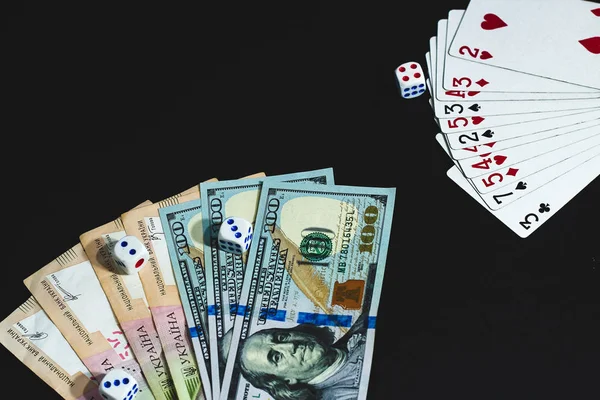
Moreover, designers often incorporate elements that distract from the passage of time, such as dim lighting and lack of windows. These features reduce awareness of the outside world, making players oblivious to how long they have been inside—heightening their gambling experience. By controlling player movement and perceptions of time, casinos can effectively manage how long guests remain engaged with their offerings. This approach creates a sense of timelessness, ensuring that players remain enveloped in the casino’s captivating environment, free from the constraints of the world outside.
The Impact of Sound in Casino Atmosphere
Sound is another critical component in shaping the casino experience. Each casino employs an array of audio elements that can influence mood and behavior. The sounds of slot machines ringing and the cheers of winning players create an atmosphere of excitement. Sound effects are engineered to deliver positive reinforcement—when players hear the jingles of coins or the wins, it reinforces their desire to continue playing. This sonic architecture is meticulously crafted to ensure that the auditory experience aligns perfectly with the visual and emotional stimulation that a casino aims to provide.
Additionally, casinos often utilize background music to establish the desired ambiance. Research shows that specific music genres can evoke certain emotions and energize or calm guests as needed. Fast-paced beats may be played in gaming areas to stimulate excitement, while softer melodies can help maintain a relaxing atmosphere in lounges and dining areas. This carefully curated auditory environment is designed to keep players returning to the gaming floor, enhancing their overall experience. By creating a soundscape that complements the visual elements, casinos can solidify their brand identity and enhance customer loyalty.
Moreover, sound can also mask unpleasant noises that may detract from the gambling experience, such as the sound of cash registers or cleaning activities. The intention is to create a seamless auditory landscape that immerses visitors in the gaming experience, allowing them to engage more fully without distractions. By manipulating soundscape strategically, casinos can amplify excitement and enrich the overall visitor experience. This thoughtful integration of sound design is essential in creating a holistic sensory environment that captivates patrons, ensuring they remain engaged and entertained.
Lighting Techniques: Crafting the Right Ambiance
Lighting is a fundamental aspect of casino design that plays a crucial role in shaping the environment and influencing player behavior. Casinos often utilize a combination of ambient, task, and accent lighting to create an inviting yet stimulating atmosphere. Bright lights are typically focused on gaming areas to enhance excitement and draw attention to the action, while softer lighting is employed in dining zones to promote a sense of comfort and relaxation. This interplay of lighting creates a dynamic environment that caters to the different needs and preferences of casino visitors.
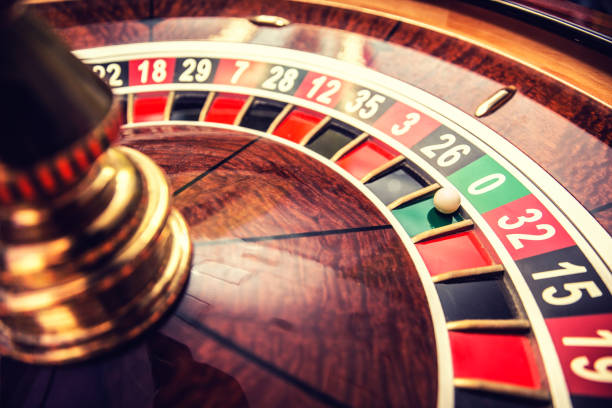
Moreover, the strategic use of lighting can create focal points that guide players’ attention to specific games or areas. Spotlights may be used to highlight high-stakes tables, subtly suggesting prestige and exclusivity while encouraging risk-taking. Designers also implement a range of color temperatures in their lighting choices—warmer tones may evoke feelings of comfort, while cooler tones can increase alertness, which is ideal for a gaming environment. This delicate balance of lighting not only enhances visibility but also plays a psychological role in shaping players’ experiences and decisions.
Finally, the absence of natural light in many casinos is a deliberate choice by designers to immerse players completely in the experience. By eliminating daylight, casinos create a timeless environment where players lose track of time, resulting in extended gaming sessions. This manipulation of lighting not only enhances the visual appeal but also serves the underlying goal of maximizing player engagement within the casino’s walls. The strategic orchestration of lighting elements ensures that visitors remain captivated and invested in their gaming experience, reinforcing the casino’s ability to attract and retain clientele.
Exploring More About Casino Psychology on Our Website
To delve deeper into the fascinating world of casino design and its psychological implications, our website offers a wealth of resources and articles. Here, you can explore various aspects of how features influence player behavior, from layout and sound to color and lighting. Our content is designed to provide insights for both casual readers and industry professionals looking to understand the intricate relationship between environment and gambling. By providing comprehensive analysis and expert commentary, we aim to enrich your understanding of casino design.
Additionally, we regularly update our website with the latest research findings, trends, and case studies in casino design psychology. Staying informed about these developments can help casino operators implement strategies that enhance the visitor experience while maximizing their operational goals. Whether you are an enthusiast or a professional, our platform aims to engage and enrich your understanding of this unique intersection of psychology and design. We strive to be a valuable resource for anyone interested in navigating the complexities of casino environments.
Join us on this exploration of casino environments and learn how the interplay of design elements shapes the overall experience for players. Our dedication to providing comprehensive information ensures that you have access to valuable insights, enhancing your appreciation of the delicate balance between gaming, design, and psychology. By fostering a deeper understanding of these concepts, we hope to inspire a new generation of designers and operators to create engaging and responsible gaming environments.