
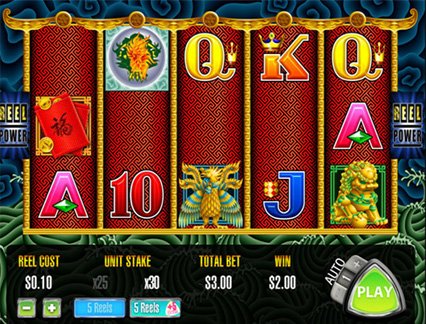
A sensible way to approach a 5 Dragons pokie is to assess its rules, volatility and cost before deciding whether it suits your preferences. A 5 dragons casino game may look appealing because of its dragon-themed presentation, but visual design says little about how frequently wins occur or how quickly a balance can change. This practical guide explains what to check in the information panel, how to set a realistic session limit and which warning signs should make you walk away.
Start with the paytable, not the artwork
Open the game’s help or paytable menu before staking anything. This normally explains the winning symbols, paylines or ways to win, bonus features, wild symbols and any special conditions. A dragon symbol may be the highest-paying image, but its value depends on how many matching symbols are required and whether they must appear on particular reels or positions.
Pay close attention to the stake controls. Some pokies allow a total bet to change through coin value, number of lines, bet level or a single combined amount. That distinction matters because a small-looking button may represent the total cost of each spin rather than the value of one line. Confirm the amount in Australian dollars, if displayed, and make a few mental calculations before pressing the spin button.
The paytable can also show whether prizes are fixed or linked to the stake. For example, a displayed win of 20 times the bet is very different from a fixed cash amount when the stake changes. Read the terms for free spins, multipliers and wilds carefully, particularly if a feature is triggered only under specific conditions. If the rules are unclear, treating the game as unsuitable is a reasonable decision.
Judge volatility alongside the advertised return
Volatility describes the typical pattern of risk rather than predicting the outcome of any individual spin. A higher-volatility pokie may produce larger potential wins less often, while a lower-volatility game may offer smaller wins more regularly. Neither setting guarantees a particular experience, and short sessions can look very different from the long-run pattern suggested by the game’s design.
Return to player, or RTP, is another useful figure when it is provided. It is a theoretical long-term percentage based on a large number of plays, not a promise that a player receives that percentage during one session. An RTP of 96 per cent, for instance, does not mean that a $100 balance will reliably become $96 after playing. It also does not remove the possibility of losing the entire balance quickly.
Consider RTP and volatility together. Someone seeking brief entertainment with a modest budget may prefer a game whose risk profile feels manageable, whereas a player attracted by occasional larger prizes should recognise that longer losing stretches may occur. Use independent information cautiously: operator displays and game rules should take priority, while reviews can be outdated or describe a different version of the title.
Set the cost of a session before the first spin
Decide on both a money limit and a time limit in advance. A practical budget is an amount you can afford to lose completely without affecting rent, bills, food, savings or other commitments. Divide that amount by the planned stake to estimate how many spins it could cover, then remember that this is only a budgeting exercise, not a prediction of how long the balance will last.
For example, a $40 entertainment budget at $1 per spin gives a simple maximum of 40 spins if no wins are returned. At 50 cents per spin, it could cover 80 spins under the same assumption. Keeping the stake unchanged makes the limit easier to monitor. Avoid raising it to recover losses, especially after a feature or near-win creates the feeling that a bigger result is due.
Use practical safeguards where available, such as deposit limits, reality checks, time reminders or a separate entertainment account. Do not borrow money, use credit intended for essentials or continue after reaching the planned limit. The Gambling Help Online support service provides information and assistance for people who are worried about their gambling or someone else’s.

Separate features from genuine value
Dragon imagery, sound effects, expanding symbols and free-spin rounds can make a pokie feel more active, but presentation does not improve the mathematical chance of a win. Treat every feature as part of the game’s entertainment design. A bonus round may create larger individual prizes, yet its availability, frequency and average contribution should be understood through the published rules rather than assumed from its appearance.
Also distinguish a winning spin from a profitable session. If a game returns $8 after costing $10 in total wagers, that is a win on one spin but a $2 net loss across those wagers. Keeping track of total money deposited, total stakes and withdrawals gives a more accurate picture than focusing on bright animations or the largest amount displayed during play.
Progressive or jackpot language deserves particular care. A large top prize may be shared across many players, subject to conditions, or extremely unlikely to appear. Check whether the prize is fixed, progressive, local to the game or dependent on a separate feature. Never treat a jackpot display as evidence that a payout is overdue. Random outcomes do not become more likely because previous spins missed.
Make a stop-or-play decision using clear tests
Before playing, ask whether you understand the stake, winning combinations and important features well enough to explain them in your own words. If not, pause and find the missing information. Next, ask whether the planned loss is affordable and whether you can stop without feeling pressure to continue. These two tests are more useful than judging a pokie solely by its theme or advertised top prize.
During a session, watch for changes in behaviour rather than trying to interpret patterns in the reels. Continuing after the limit, hiding play from family, chasing a previous loss or increasing stakes when frustrated are practical signs to stop. So is playing while tired, upset, intoxicated or distracted. A random game cannot be corrected through concentration, persistence or a special timing strategy.
Afterwards, review the experience briefly. Record how much was spent, how long the session lasted and whether the preset limit was respected. If the game was difficult to stop, remove access for a period and consider speaking with a confidential support service. The best reader decision may be to play only under strict boundaries—or to decide that this type of entertainment is not suitable at all.
Questions players often ask about a 5 Dragons pokie
Does a near-win mean a larger win is coming?
No. A near-win is a visual outcome, not evidence that the next spin has improved odds. Random outcomes do not remember previous results, so several misses, a bonus symbol appearing close to a feature or a long losing sequence does not make a win due. Keep the same preset limit regardless of recent results.
Is RTP enough to choose between pokies?
No. RTP is useful for comparing theoretical long-term return, but it does not describe the size or timing of individual wins. Volatility, minimum stake, rules, feature conditions and your available budget also matter. If a game’s information is incomplete, do not assume its RTP or risk level from another title.
What should I do if I keep chasing losses?
Stop playing and avoid making another deposit to recover money. Take a break, remove gambling access where possible and tell someone you trust what is happening. Support services can help you create practical barriers and a plan. Treat repeated chasing as a reason to seek assistance, not as evidence that a win is close.