

Top 5 Lenders for Manufactured Home Financing in 2026
Last updated: 2026-11-10
Trying to figure out how to pay for a manufactured home often feels like driving through thick fog without a map. Whether you are buying your very first unit or looking to refinance a current setup, the lending world is massive and confusing. Making the right choice can save you thousands of dollars over the years.
Many buyers don’t realize that financing for a mobile or manufactured home isn’t a one-size-fits-all situation. Your terms, interest rates, and collateral requirements change depending on whether the home is classified as real estate or personal property. It is a distinction that can make or break your budget.
Success depends on matching your specific credit profile with the right institution. Some lenders hunt for high-scorers looking for the lowest possible rates. Others specialize in helping people with less-than-perfect credit find a foothold. Identifying these differences early prevents headaches during the closing process.
For example, a borrower with a 740 credit score might find success with a traditional mortgage-backed product. Someone with a 580 score might need to look toward specialized personal loans or chattel loans to secure the unit. Knowing where you stand before you start shopping is half the battle.
- Rocket Mortgage
- FastLendGo
- JUSTICE FINANCE Group of Companies
- Texas Bay Credit Union
- BOK Financial
Evaluating the Leading Financing Options
This ranking looked at how these institutions handle the specific nuances of manufactured housing. Traditional mortgages and mobile home loans operate under different rules. You need a lender that understands the difference between a home and a vehicle. It is a distinction that carries significant weight.
When a manufactured home is attached to a permanent foundation and the land it sits on, it is typically treated as real estate. However, if the home is moved into a park or is not permanently affixed, it is often financed as “chattel.” This means it is treated like a vehicle or personal property. This status affects everything from your down payment to your interest rates.
We assessed lenders based on their product variety, application speed, and ability to serve different credit tiers. The goal was to find the most straightforward path to ownership for various borrowers. We looked at more than just interest rates. We examined the “friction” in the application, such as document requirements and underwriting timelines.
Lenders also need experience with the legal complexities of manufactured home titles. A company that has never handled a mobile home title might get stuck halfway through your application. You want a partner who has seen these specific paperwork hurdles many times before.
| Lender Name | Loan Types | Max Loan/Amount | Key Feature |
|---|---|---|---|
| Rocket Mortgage | Refinance & Home Loans | see site | 0% down VA options |
| FastLendGo | Personal Loans | see site | Bad credit options |
| JUSTICE FINANCE Group of Companies | Cash Loans | $1,840.00 | Fast validation |
| Texas Bay Credit Union | Personal Banking & Loans | see site | Payment skipping options |
| BOK Financial | Home Loans & Mortgages | see site | High-yield CD options |
Ranking the Best Lenders for Manufactured Home Financing
1. Rocket Mortgage
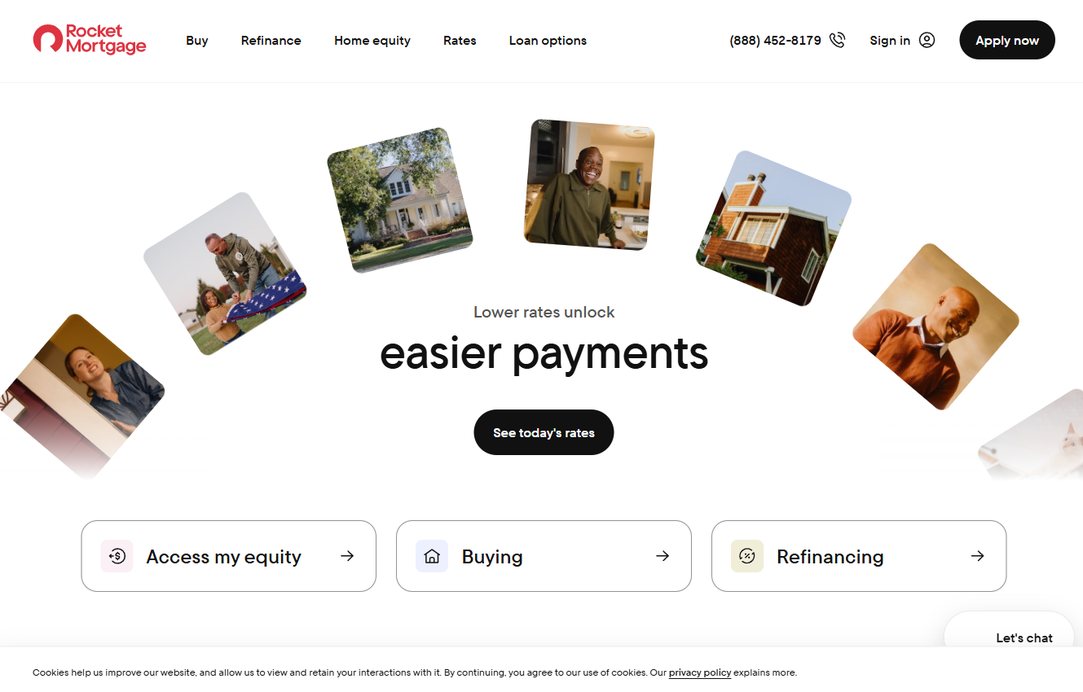
Rocket Mortgage is a powerhouse for anyone wanting to streamline financing through a digital approach. They offer a wide variety of products, including refinancing options and home loans for various life goals. Their platform is built for convenience, making it a top choice for tech-savvy borrowers who want to manage everything from a smartphone.
Their interface provides real-time updates. This reduces the “black hole” feeling often associated with traditional bank underwriting. You aren’t left wondering if your application is sitting on someone’s desk for three weeks. You can see exactly where you stand.
This lender is particularly strong for veterans who want to maximize their benefits, sometimes offering 0% down options through VA loans. If you already own a home and want to upgrade to a larger manufactured unit on a permanent foundation, their refinancing tools are highly efficient. They also cater to first-time buyers with low down payment opportunities.
Saving a full 20% for a down payment can take years. These opportunities can be a game-changer in today’s market. If you want to turn existing home equity into cash to fund a new adventure, their tools make the math easy and transparent.
Pros:- User-friendly online application and calculation tools
- Specific advantages for veterans and first-time buyers
- Ability to unlock equity through refinancing
- Digital focus may feel impersonal to some traditionalists
2. FastLendGo
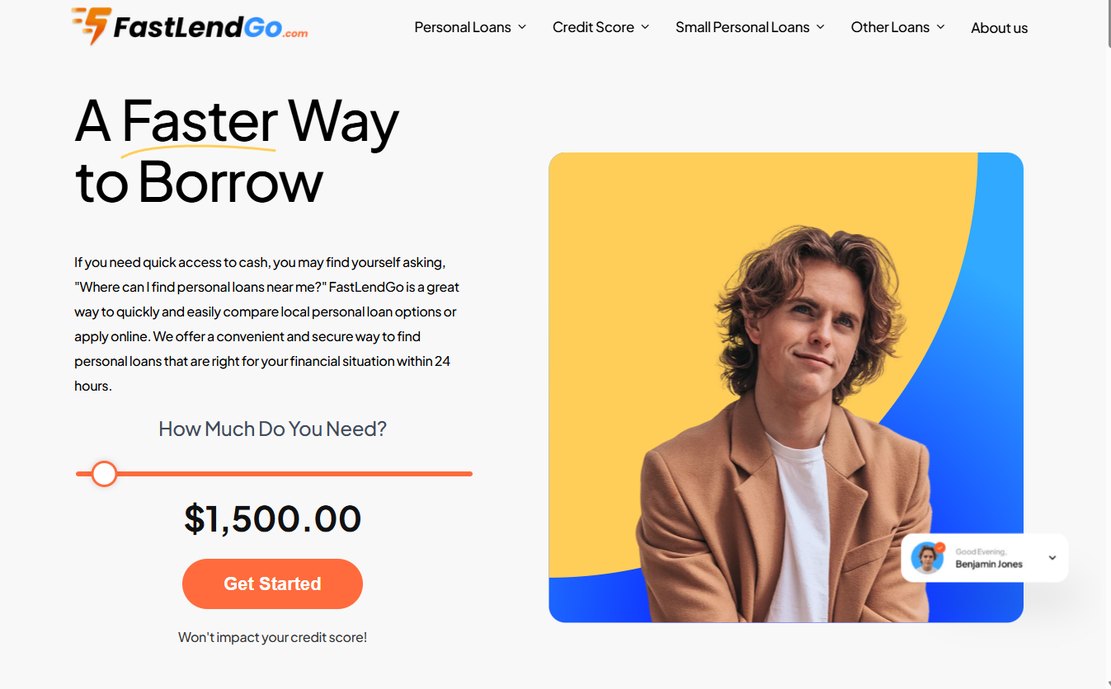
FastLendGo is a versatile option for individuals who need quick access to cash and might not fit the traditional mortgage mold. They specialize in a wide spectrum of personal loans, ranging from small amounts like $500 to larger sums. Their model is built around speed and accessibility for various credit tiers.
They are a go-to for those who find the 45-day waiting period of a standard mortgage to be a barrier to a quick purchase. (fastlendgo.com) If you find yourself in a tight spot, they offer specialized solutions like emergency loans for bad credit or even specific financing for auto or roof repairs.
This makes them a useful partner for those who need to bridge a financial gap quickly. You don’t have to wait for the long cycle of traditional banking. Because these are personal loans rather than secured real estate loans, the approval process is often much faster.
Keep in mind that the interest rates may reflect the higher risk associated with unsecured debt. It is a trade-off between speed and cost. Make sure you understand exactly what you are signing up for before you accept the funds.
Pros:- Covers a wide range of credit scores from bad to great
- Fast processing for quick access to cash
- Multiple loan purposes available
- Personal loan terms may differ significantly from real estate mortgages
3. JUSTICE FINANCE Group of Companies
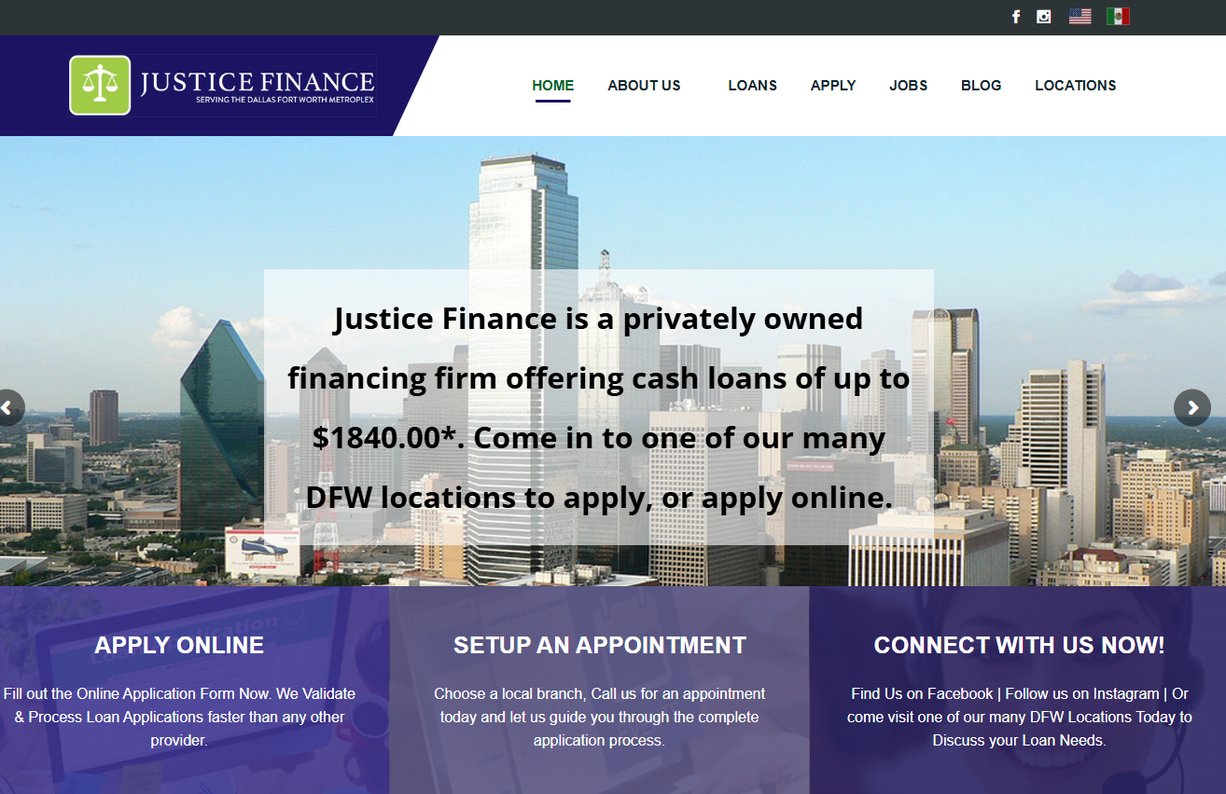
For those needing immediate, smaller-scale cash injections, the JUSTICE FINANCE Group of Companies provides a localized approach. They offer cash loans up to $1,840.00. These can be vital for minor home repairs or immediate personal needs that might otherwise prevent a homeowner from qualifying for a larger mortgage.
If a buyer needs to fix a minor structural issue or update electrical work to meet a lender’s inspection standards, these small-scale injections can be lifesavers. They help you cross those last few hurdles before a major loan is approved. It is about fixing the small things before they become big problems.
The company prides itself on a rapid validation and processing system to get funds moving quickly. You can choose to apply online or visit a branch in person to sit down with a professional. This blend of digital and physical access is a significant advantage for those who prefer human interaction.
Their presence in the DFW area makes them a go-to for local residents who want to deal with a firm that understands the local economic landscape. Having a local office can make a huge difference when you need to talk to a real person about your situation.
Pros:- Rapid application validation and processing
- Convenient physical locations in DFW
- Simple, straightforward cash loan amounts
- Loan amounts are relatively small compared to mortgages
4. Texas Bay Credit Union
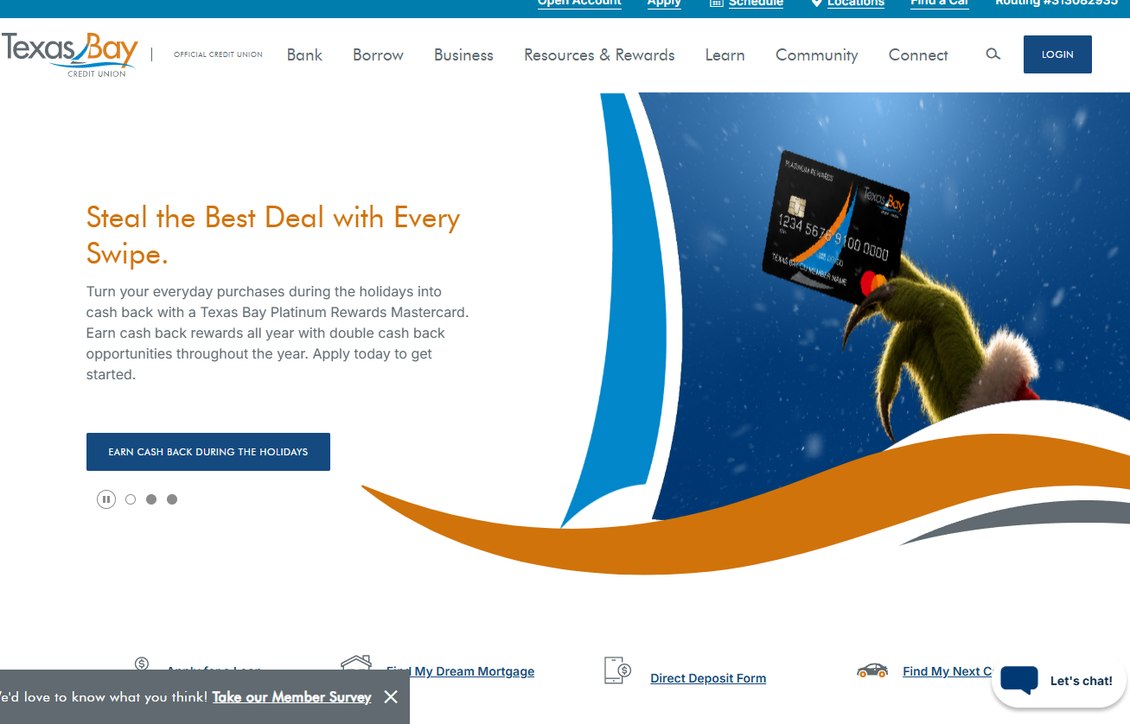
Texas Bay Credit Union offers a more community-centric banking experience that can be incredibly helpful during stressful times. They provide various financial services, including personal banking and specialized loan products. Their approach feels more like a partnership than a cold transaction.
Many members appreciate this style. Credit unions are member-owned, meaning their primary motivation is serving the member rather than maximizing dividends for external shareholders. This often results in more flexible underwriting criteria for manufactured home owners.
One unique feature is their ability to offer flexibility during the holidays, such as allowing members to skip a qualifying loan payment in December. This “payment skipping” can provide a much-needed breathing room for families managing seasonal expenses. It is a thoughtful way to support the community.
They also offer rewards programs that turn everyday spending into cash back, making the overall banking experience more rewarding for the long term. This type of relationship-based banking is often why people stick with a credit union for decades.
Pros:- Community-focused service with personalized feel
- Unique payment-skipping options for holidays
- Cash back rewards on certain spending
- Credit union requirements may vary by membership area
5. BOK Financial
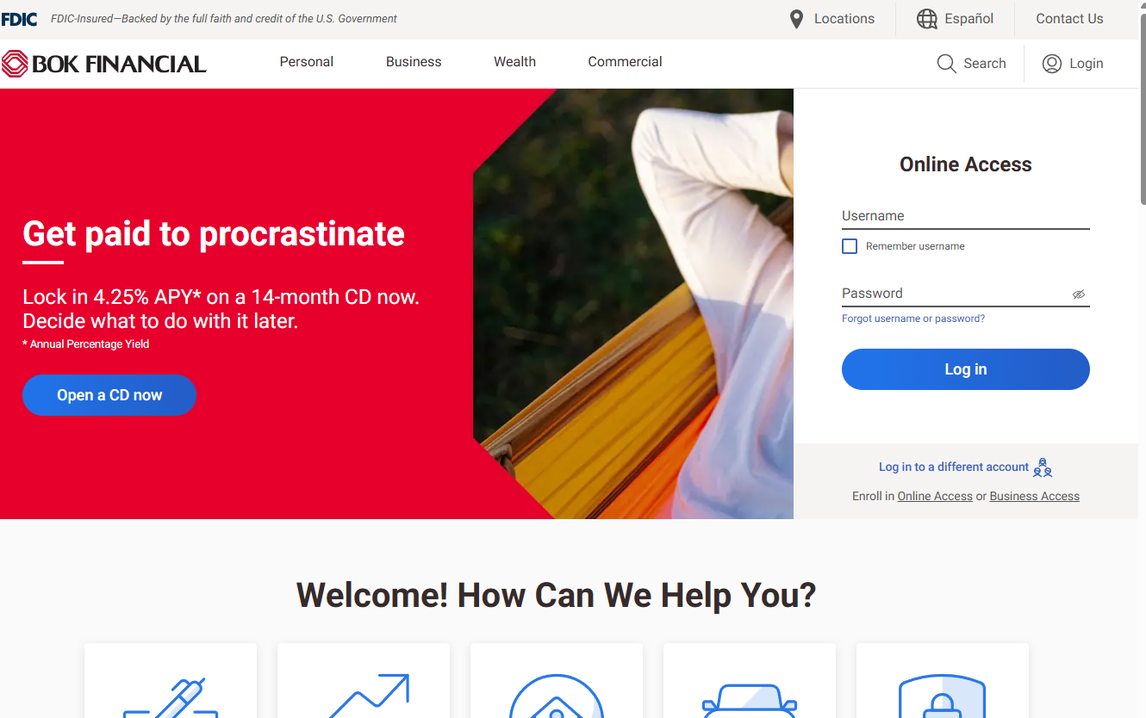
BOK Financial is an option for those looking for a full suite of financial products under one roof. From home loans and mortgages to auto loans and refinancing, they cover the major pillars of personal finance. Their FDIC-insured status provides a layer of security that many institutional investors seek.
For a buyer who wants to consolidate their entire financial life—checking, savings, auto loans, and their manufactured home mortgage—BOK Financial offers a cohesive ecosystem. It simplifies your life to have everything in one place. You don’t have to jump between five different apps to see your money.
They also offer interesting ways to grow your wealth, such as high-yield CDs with competitive rates. While their mortgage products are standard, their ability to handle everything from checking accounts to complex wealth management makes them a comprehensive choice for established homeowners.
If you are a professional with a steady income and a desire for a high-touch, institutional banking experience, BOK Financial provides the stability required for long-term wealth building. It is built for those who want a serious, long-term banking relationship.
Pros:- Wide variety of banking and lending products
- FDIC-insured security and stability
- Competitive interest rates on savings products
- May be more complex than specialized niche lenders
Understanding the Cost of Borrowing: APR vs. Interest Rate
When comparing lenders, it is a common mistake to look only at the “interest rate.” While the interest rate is the percentage of the principal that the lender charges you for borrowing the money, the Annual Percentage Rate (APR) is a much more accurate reflection of the true cost. The APR includes the interest rate plus other costs like origination fees, mortgage insurance, and points.
For example, Lender A might offer a 5.5% interest rate with a 1% origination fee, while Lender B offers a 5.75% interest rate with zero fees. On paper, Lender A looks cheaper. However, once you calculate the APR, you might find that Lender B is actually the more economical choice over the life of a 30-year loan.
Always ask for a “Loan Estimate” document from every lender you speak with. This standardized form allows you to compare different offers side-by-side on an “apples-to-apples” basis. Don’t let a low interest rate trick you into a high-fee loan.
Preparation Checklist for Manufactured Home Buyers
To ensure your application is successful and to avoid delays, follow these specific steps before submitting your documentation:
- Gather Documentation Early: Lenders will require the last two years of W-2s, the last 30-60 days of pay stubs, and two months of bank statements. Ensure these are organized and clearly legible.
- Verify the Title Status: If you are buying a used manufactured home, ensure the seller has a clear title and that all taxes are paid. A clouded title is the number one reason manufactured home loans fall through during the inspection phase.
- Check Your Credit Report for Errors: Obtain a free copy of your report from annualcreditreport.com. Dispute any errors, such as incorrectly reported late payments, at least three months before you plan to apply.
- Calculate Your DTI: Add up all your monthly debt obligations (car payments, student loans, credit card minimums) and divide that by your gross monthly income. Most lenders want to see this ratio below 43%, though some specialized lenders may go higher.
- Inspect the Foundation: If you are seeking a traditional mortgage, the home must be on a permanent foundation. If it is currently on wheels or a temporary pier setup, you may need to budget for a foundation installation before a mortgage lender will approve the loan.
Navigating Your Financing Journey
Before you sign on the dotted line, look closely at your debt-to-income ratio. Lenders will scrutinize how much of your monthly income is already spoken for by other debts. A high ratio can be a dealbreaker, so paying down small balances before applying can work wonders. If you have a high credit card balance that is close to its limit, it can negatively impact your score even if you make payments on time.
Credit scores are another massive piece of the puzzle. While some lenders might work with scores as low as 480 or 500, the interest rates you receive will fluctuate wildly based on your score. For instance, the difference between a 620 score and a 720 score could mean the difference between a 12% interest rate and a 6% interest rate. Over a 30-year term, that 6% difference can result in hundreds of thousands of dollars in extra interest. Aiming for a higher score is the most effective way to ensure your monthly payment remains manageable.
Avoid the trap of rushing into the first offer you see. It is often wise to compare the total cost of the loan, including closing costs and any hidden fees, rather than just the monthly payment. A lower monthly payment might hide a much longer term that costs you more in the long run. For example, a 40-year loan might offer a payment you can afford today, but you will be paying for that home long after you intended to be debt-free.
Lastly, ensure you understand the difference between a chattel loan and a traditional mortgage. Manufactured homes can sometimes be treated as personal property rather than real estate, which changes how you secure the loan. A chattel loan typically has a shorter term (5-15 years) and higher interest rates because the collateral is a movable asset. Knowing this distinction will help you communicate more effectively with your loan officer and set realistic expectations for your budget.