

Top 5 Lenders for Land Loans for Bad Credit in 2026
Last updated: 2026-11-10
Securing financing for a piece of earth often feels like chasing a ghost. If your credit score isn’t perfect, traditional banks will likely turn you away. They often demand massive down payments, sometimes hitting 30% to 50% of the total value. Most also require immediate construction plans, which makes it nearly impossible for anyone simply looking to hold land as a long-term investment.
This ranking looks for ways through those roadblocks. When you weigh different lenders, pay attention to how fast they move and if they’ll ding your credit score just for an inquiry. We looked at how these providers handle various financial histories, from those with top-tier credit to people working hard to rebuild their standing.
- Acorn Finance
- JetzLoan
- Country Bank
- LightStream
- OneMain Financial
How These Financing Options Were Evaluated
We started by looking at how each company handles the initial application. A major pitfall is watching your credit score drop just for checking your options. Every “hard pull” typically knocks a few points off your score. While one time is fine, several inquiries in a short window make you look like a high-risk borrower to other lenders. We prioritized providers that allow for “soft” pulls.
Speed and transparency were just as important. A lender that keeps you in the dark about the total sum or the timing of the funds isn’t helpful when a property is sitting on the market. In land deals, a seller might accept a cash offer within 48 hours. You need a lender that moves as fast as a real estate agent. We looked for clarity in how they communicate terms during pre-approval.
| Lender Name | Max Loan Amount | Funding Speed | Credit Impact (Inquiry) |
|---|---|---|---|
| Acorn Finance | See site | See site | No credit score impact |
| JetzLoan | $50,000 | As little as 24 hours | No credit impact check |
| Country Bank | See site | See site | Subject to credit approval |
| LightStream | $100,000 | See site | See site |
| OneMain Financial | $35,000 | As soon as 1 hour | No obligation |
Ranking of Land Loan Providers
1. Acorn Finance
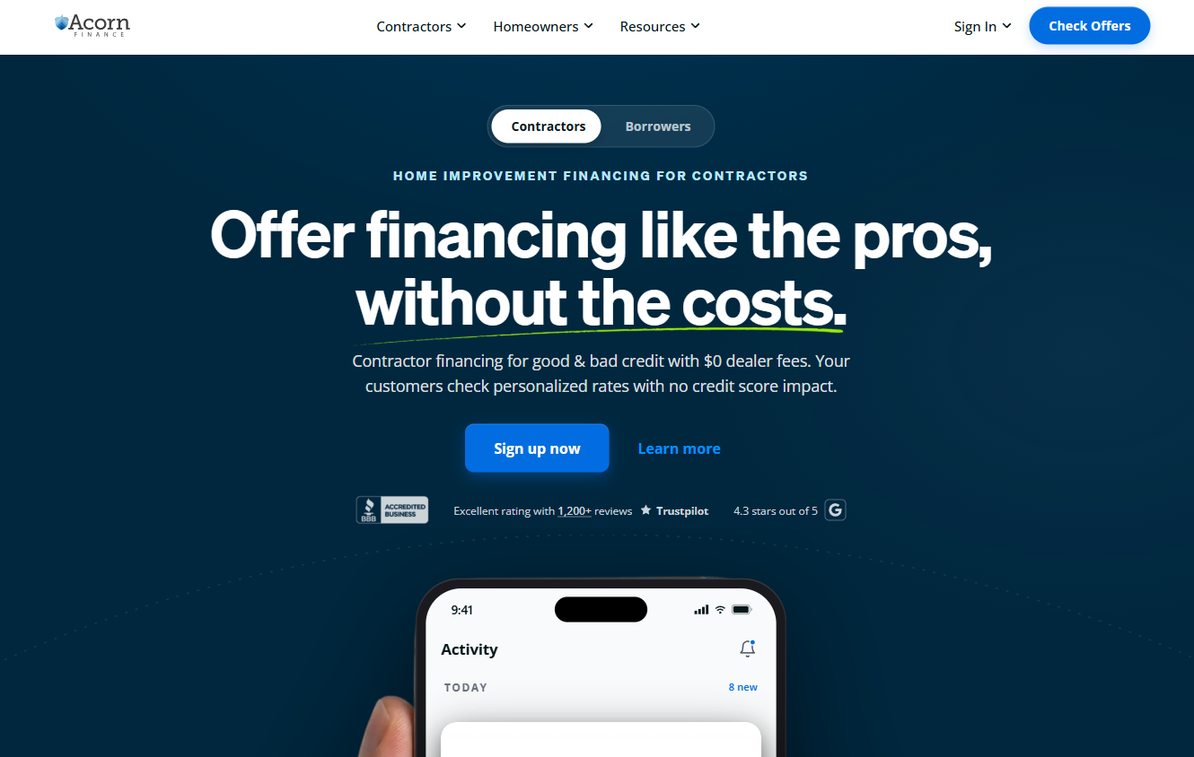
Acorn Finance works more like a connection between lenders than a single bank. It functions as a marketplace to help you find financing without the usual sting of a hard credit pull during your initial rate check. This is a lifeline for anyone worried about their score or those still in the research phase of their property search.
You won’t have to call ten different banks to explain your situation over and over. Instead, you input your basic info and they scan a network to see who is most likely to say “yes” to your specific profile. This is great for people looking to fund specific projects or small land acquisitions. It lets you shop around without the fear of dropping points on your report before you even know if you qualify.
If you are looking at a small plot for a garden or a weekend recreational spot, you can use Acorn to see if a personal loan works better than a traditional mortgage. This can save you from the long, painful land appraisal process required by the big banks.
Pros:
- Personalized rates with no credit score impact during the initial search.
- 100% free for contractors and borrowers; you don’t pay for the matching service.
- High user satisfaction with a 4.3-star rating across multiple review platforms.
Cons:
- Operates as a marketplace, meaning you are dealing with a network of lenders, not one single entity.
2. JetzLoan
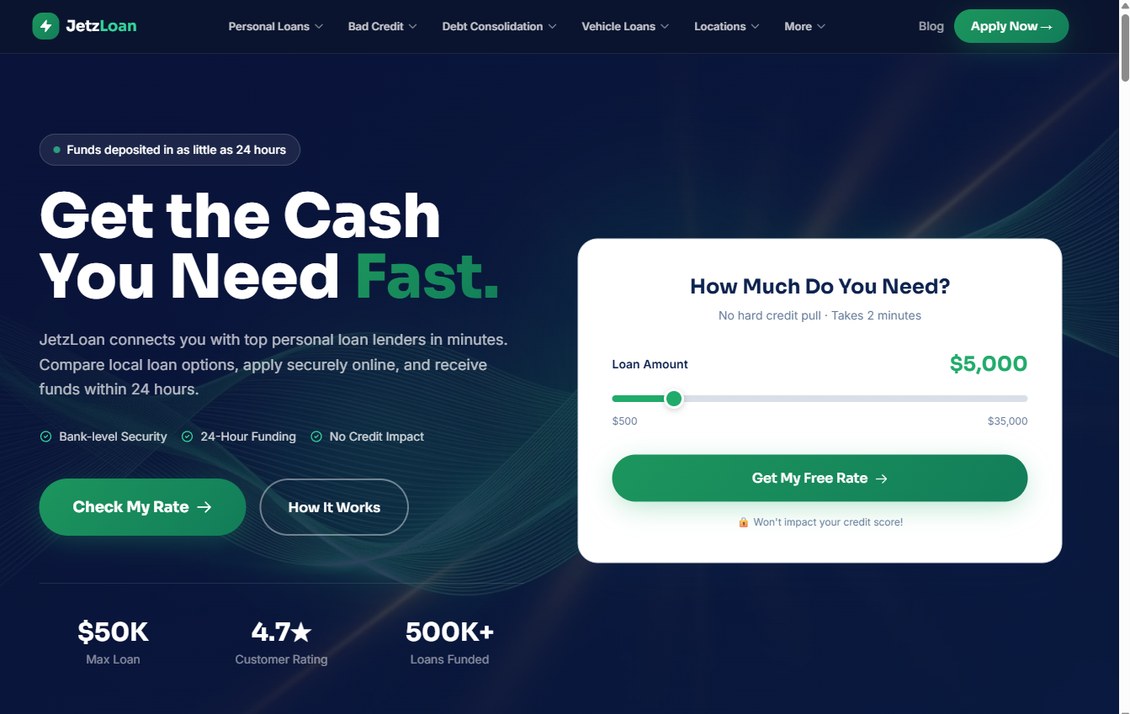
If you are racing against the clock to secure a plot, JetzLoan moves incredibly fast. They focus on getting cash into your hands, sometimes in as little as 24 hours. This is vital when you are in a competitive market. When you find that perfect piece of acreage, you can’t afford to wait three weeks for a bank to verify your income.
The platform is built for simplicity. You can get a free rate check in about two minutes. It is a digital-first experience designed for people who want a straightforward process without a mountain of paperwork. You won’t be sitting in a lobby for hours; the whole thing is built for the modern consumer using a phone.
Pros:
- Extremely fast funding, potentially within 24 hours of approval.
- No hard credit pull required for initial rate checks, protecting your score.
- High maximum loan limit of $50,000, sufficient for many smaller land purchases.
Cons:
- Fast processes can sometimes mean less personalized guidance compared to a dedicated banker.
3. Country Bank
People who prefer the stability of a traditional institution might like Country Bank. Unlike the fintech startups, Country Bank offers institutional reliability and local knowledge. They provide options for financing raw land or buildable lots. Raw land—land without road access, water, or electricity—is notoriously hard to finance, but their specialized approach makes it much more accessible.
Their 60-day rate locks are a standout feature. This stability is a blessing when interest rates are jumping around. It gives you a window to finalize your plans, conduct soil tests, or check zoning laws without the cost of borrowing spiking overnight. If you find a plot but need two months to ensure you can actually build on it, a rate lock is a massive help.
Pros:
- Offers 60-day rate locks, providing a hedge against rising interest rates.
- Specialized financing available for raw land or improved, buildable lots.
- FDIC-insured institution, offering a layer of security for your deposits and transactions.
Cons:
- Subject to standard credit approval processes, which can be more rigorous than fintech alternatives.
4. LightStream
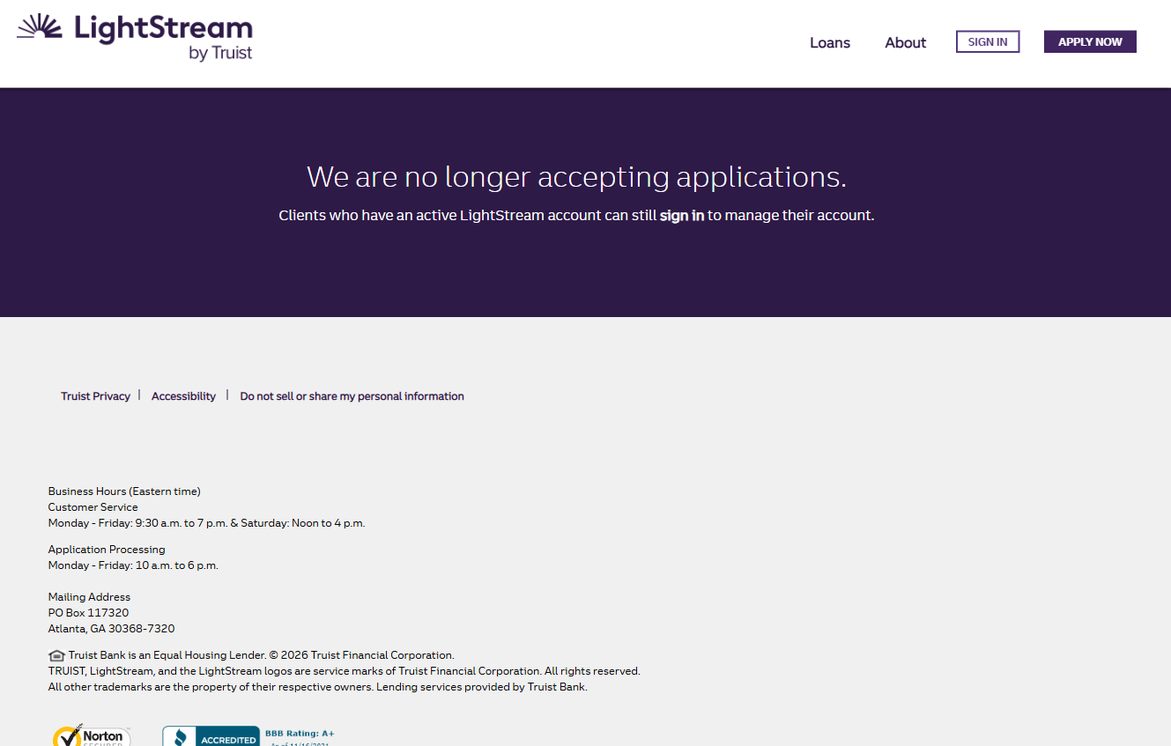
LightStream is a strong option for anyone who has kept their credit in good standing. They offer substantial loan amounts up to $100,000, making them a top choice for significant land purchases or larger developments. If you want to buy a large tract of acreage for farming, this is where you should look.
They focus on providing low fixed rates for those with good to excellent credit. Since many personal loans use variable rates that fluctuate, LightStream’s fixed rates allow for much better budgeting. While it might be a tough climb for those with very low scores, the reward for those who qualify is a professional experience that feels like a premium banking service.
Pros:
- High loan amounts reaching up to $100,000, suitable for larger land investments.
- Low fixed rates for qualified borrowers, allowing for predictable monthly payments.
- Part of the Truist Financial ecosystem, providing a sense of large-scale institutional backing.
Cons:
- Strict credit requirements may exclude those with poor or developing credit scores.
5. OneMain Financial

OneMain Financial is a veteran in the personal loan industry, with 1,300 branches to offer a human touch. This is a major advantage if you want to sit down with a real person to discuss your finances. Many people find that when explaining a non-standard history—like a dip in credit or a period of unemployment—having a human advocate helps secure an approval.
They offer flexible terms with fixed monthly payments ranging from 24 to 60 months. This helps you choose a repayment schedule that actually fits your cash flow, which is helpful if your land won’t generate income immediately. They can even provide funds as soon as one hour after you sign, which is great for urgent closings.
Pros:
- Physical branches for in-person assistance and face-to-face negotiations.
- Fast funding, potentially as soon as one hour after the final signing.
- Flexible terms from 24 to 60 months to match your personal repayment strategy.
Cons:
- Interest rates start at 11.99% APR and may vary significantly based on your risk profile.
The Real Cost of Land Ownership
First-time buyers often only look at the purchase price and the monthly payment. However, land ownership comes with “hidden” costs that can wreck a budget. Before you sign anything, make sure you account for these expenses:
| Cost Category | Description | Typical Impact |
|---|---|---|
| Surveying | Defining exact property boundaries. | High (One-time) |
| Environmental/Soil | Testing if the land can support a septic or structure. | Moderate |
| Access/Utilities | Bringing electricity, water, or sewage to the site. | Very High |
| Property Taxes | Annual tax obligations to local government. | Ongoing |
If you are buying raw land, the cost of bringing utilities to the site can often be higher than the price of the land itself. Always include these in your total project budget before deciding how much you can afford to borrow.
Common Mistakes to Avoid During the Application
The biggest mistake is rushing into a hard credit inquiry before you understand your options. Always look for the “no impact” or “soft pull” option first. This lets you shop around like a smart consumer. When you allow many lenders to pull your credit quickly, you look “credit hungry,” which can lower your score and make you look like a risk.
Another pitfall is ignoring the specific type of land you are buying. Financing for an undeveloped field is much harder than financing a lot that already has utility access. If you tell a lender you are buying land but actually plan to build a custom home with a complex septic system, you must be upfront. A standard personal loan might work for a small plot, but a construction-to-permanent loan is better if you have blueprints ready.
Finally, look at the total cost of the loan, not just the monthly payment. A fast loan is great, but high interest rates can mean you pay for that land twice. Compare the APR (Annual Percentage Rate) to truly understand your commitment. The APR includes interest plus any origination fees or processing costs. A lender with a slightly higher monthly payment but a much lower APR is almost always the better choice long-term.